
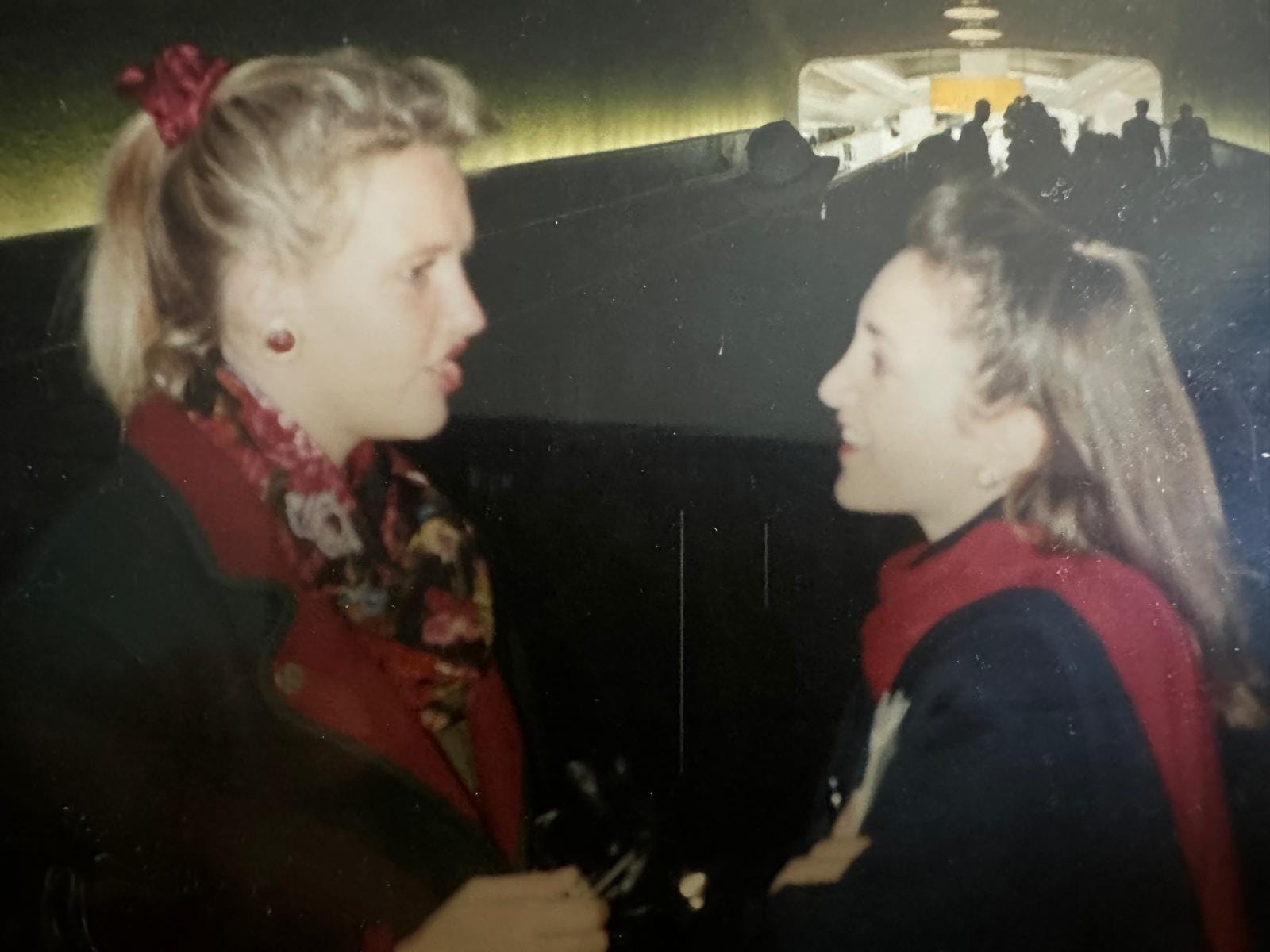
March 2026 - Agnès and Isabelle - Air France
Fragrance lately

In conversation with Agnès and Isabelle from Air France
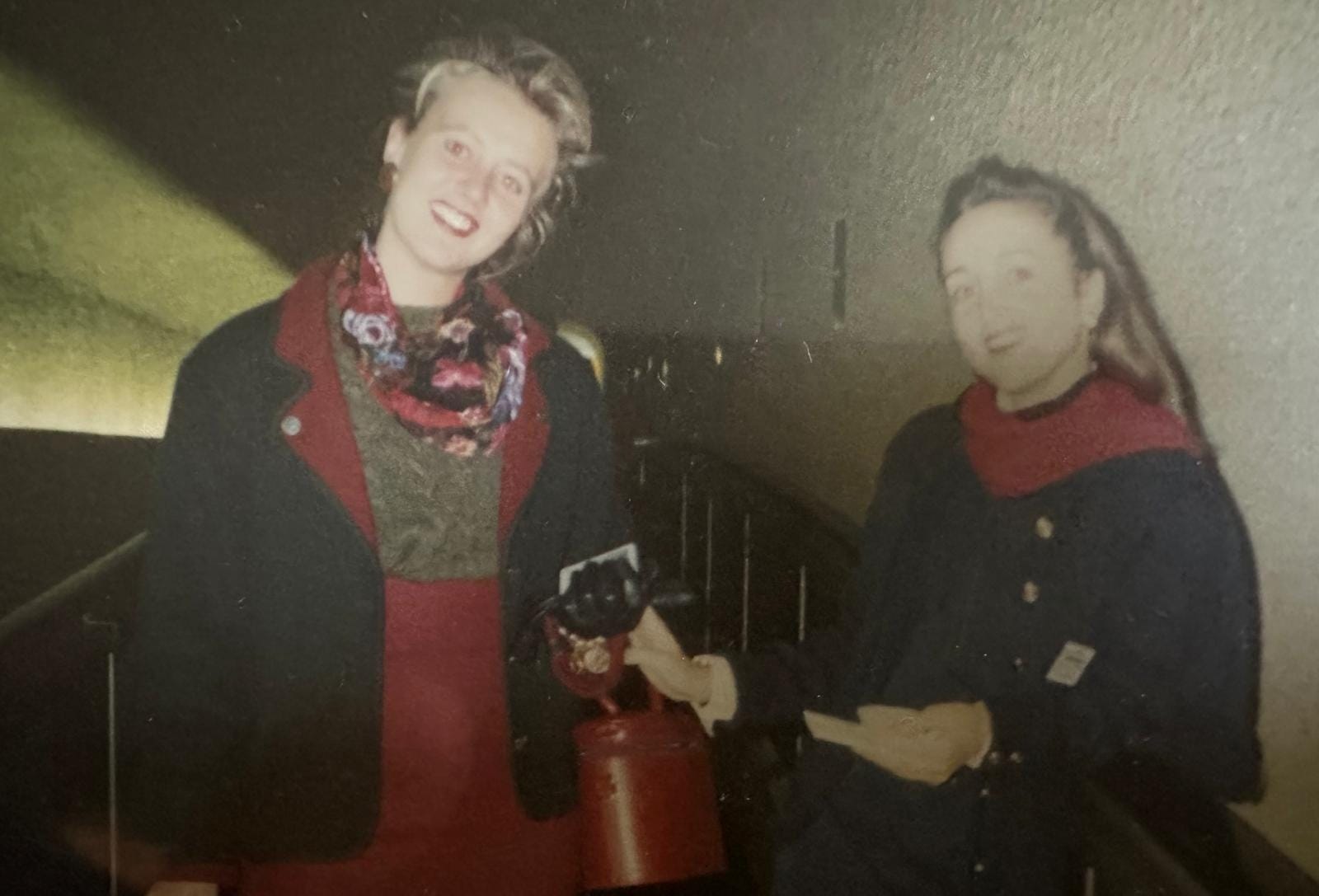
Please introduce yourselves in 3 sentences:
Isabelle: I was born in Thailand, grew up between Southeast Asia and Argentina, and later settled in France. After a degree in Russian at the Langues’O (Sorbonne nouvelle) and translation at the Sorbonne, my passion for languages led me to Air France, where I spent over thirty years. That journey reflects who I am: curious, open to the world, and inspired by meeting people: qualities I now express through interior design.
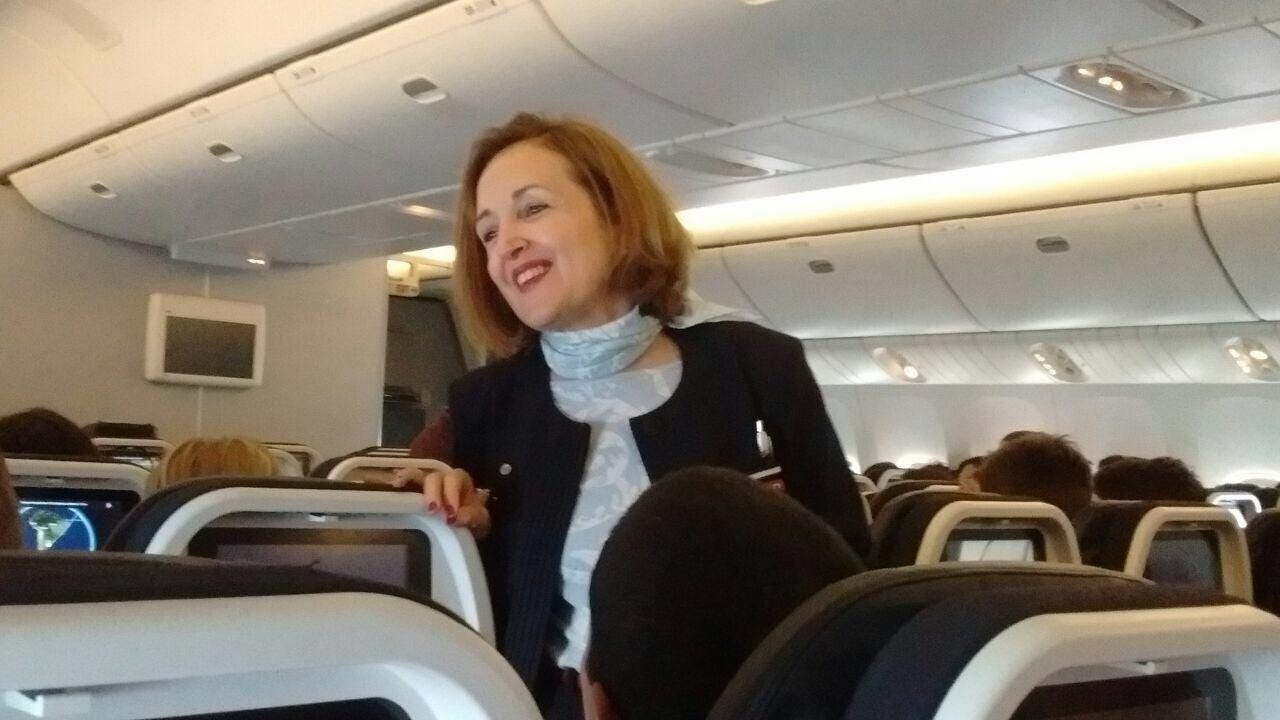
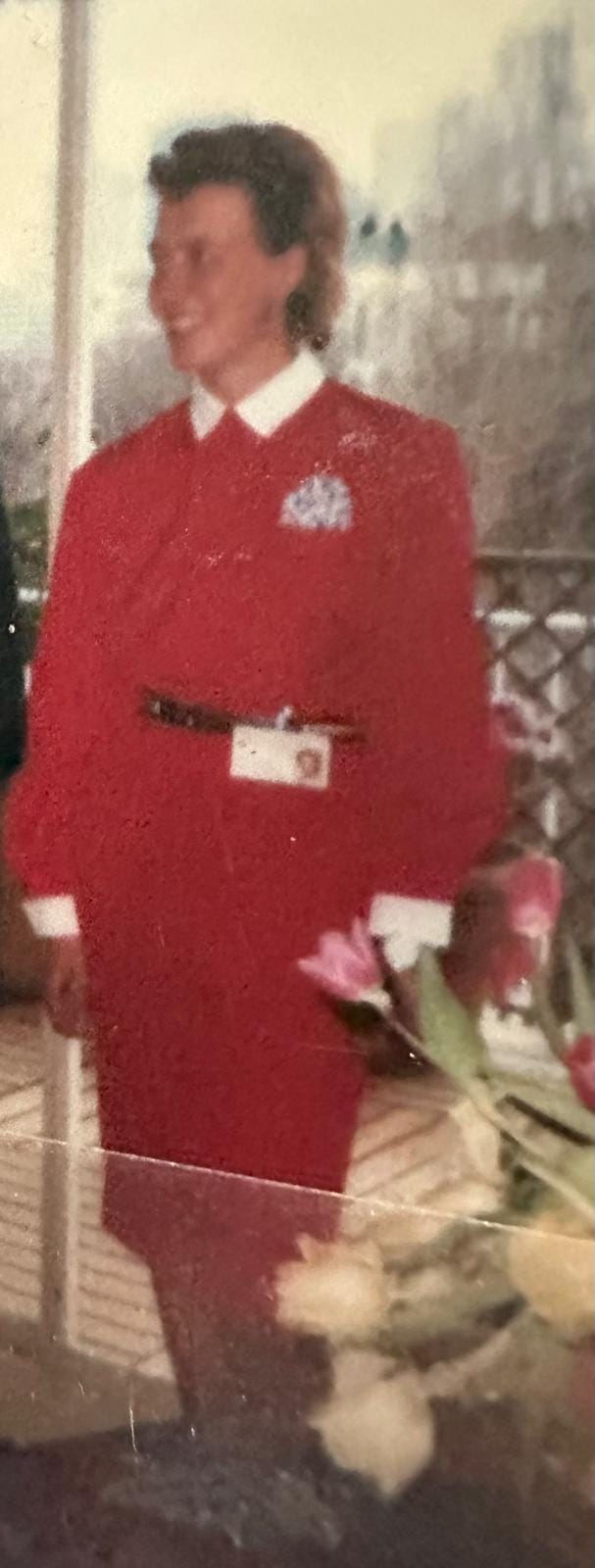
Agnès: Born and raised in Paris, I began travelling at a very young age with my parents—always with Air France. This led me to join AF 38 years ago, where I’ve always worked at Charles de Gaulle Airport, in the lounges: Business, Concorde, and La Première. As the wife of a pilot and later the mother of a pilot, I never wanted to be cabin crew, but have traveled extensively.
How do you think smell and scent play a role in the world of aviation—on the ground and in the air?
Isabelle: On airplanes, smells form a world of their own. As soon as you step on board, a familiar blend emerges—that of conditioned air, the closed cabin, passengers’ perfumes, meals being reheated, and that slight lack of outside air typical of long flights. Everyone carries their habits, their customs, sometimes even traces of a cuisine or a culture.
The scents also vary depending on the destination: a flight to Seoul is not the same as one arriving from Los Angeles. Sometimes passengers bring food or spices back in their luggage as reminders of their stay. And then there are individual customs, personal fragrances chosen before departure like small talismans, which, over time and travel, become an essential link.
After years of flying, certain smells have stayed with me. They are not always pleasant—there is that particular cabin smell, or the scent of fuel upon arriving somewhere, as I remember from Argentina especially—yet they are part of the journey. Once you land, you quickly long for a shower, and yet, as soon as you board again, that same scent surrounds you once more. It is the smell of departure, of waiting, of the in-between: that suspended moment between the world you are leaving and the one you are about to join.
Agnès: What I associate with flying is really the smell of kerosene, and a certain “ça sent l’avion”. The smell of kerosene on pilots after a flight.
Is there an airport you have particularly strong olfactory memories of?
Isabelle: It’s a long time ago, so it’s probably not the same anymore, but about 20 years ago: Beijing. The smell of the city, of dust. I liked it. You landed, and you could really smell the city. Also Argentina when landing—the smell of petrol, the smell of cars—about 15 years ago. Now, you fly anywhere in the world, and it mainly smells like a shopping centre.
Agnès: India. When you land, you smell spices and dust. In Delhi and all these big cities, you smell it right away. The cities’ fragrance when you enter the airport. Many of these airports were very open plan and open doors—everything was open—the outside air would come in. This is problably my strongest olfactory memory of my time at AF. Also the smell of landing in NYC in December. To me, it smelled like cinnamon. It’s impossible to not link a place to a fragrance, or smell.
Do different aircraft have different smells?
Agnès: No, I don’t think so—it’s the passengers that make the smells, so it’s more about the destination. A flight to Bombay will have a fully different smell to a flight to Tokyo.
Isabelle: It’s also about how big it is—the bigger the plane, the more people there will be, the more smells there are likely to be.
How have the fragrances worn by passengers and flight attendants developed since you started?
Isabelle: There are sleeping cabins on flights. What I noticed a few years back is that these cabins have a very neutral smell, which in turn made me realise that, in fact, I never smelled any unpleasant perspiration smells from a crew member. I think there was a certain obsession around cleanliness, and that the crew in general was very smell conscious. We were also very careful about what we ate on the flight.
Throughout the years, I feel there has been a change of attitude towards fragrance. The more it is visible, the stronger it is, the better—seemingly without too much thought about one’s surroundings.
Today at airports, travellers increasingly want niche. I’ve also noticed more and more people using essential oils—often to neutralise odours or help them sleep, for example eucalyptus. In a way, these scents allow passengers to isolate themselves from others by creating their own small universe of smell. Since Covid, I’ve also seen a growing number of passengers cleaning their seats before settling in.
Does the way you perceive passengers’ and colleagues’ perfumes change in the air vs on the ground?
Isabelle: You become very sensitive to smells on planes—also good ones. People take their shoes off a lot—we become very aware of these smells.
Agnès: There is also an element of proximity and continuity. On the street, you might pass someone by and think they smell nice—but it’s just a fleeting moment. On the plane, you are obliged, you are exposed to the smells for the length of the flight.
What’s your favourite fragrance? Does what you wear in flight change from what you wear on the ground?
Isabelle: I never wore the same fragrance in the air as I did on the ground. I associated certain fragrances to flying, and would only wear them then—often lighter fragrances of which I had a few. A few years ago, I started wearing Voyage d’Hermès.
Agnès: I was never a hostess, but at the airport, I would often wear Eau des Merveilles by Hermès. And when I joined AF in the 80s, Hermès Rouge. To date, that fragrance reminds me of my first years at AF.
Tune of the day:
Isabelle: Desafinado - João Gilberto, Tom Jobim, Stan Getz
Agnès: The Letter - The Box Tops
Fragrance of the day:
Isabelle: Voyage - Hermès
Agnès: Habit Rouge - Hermès
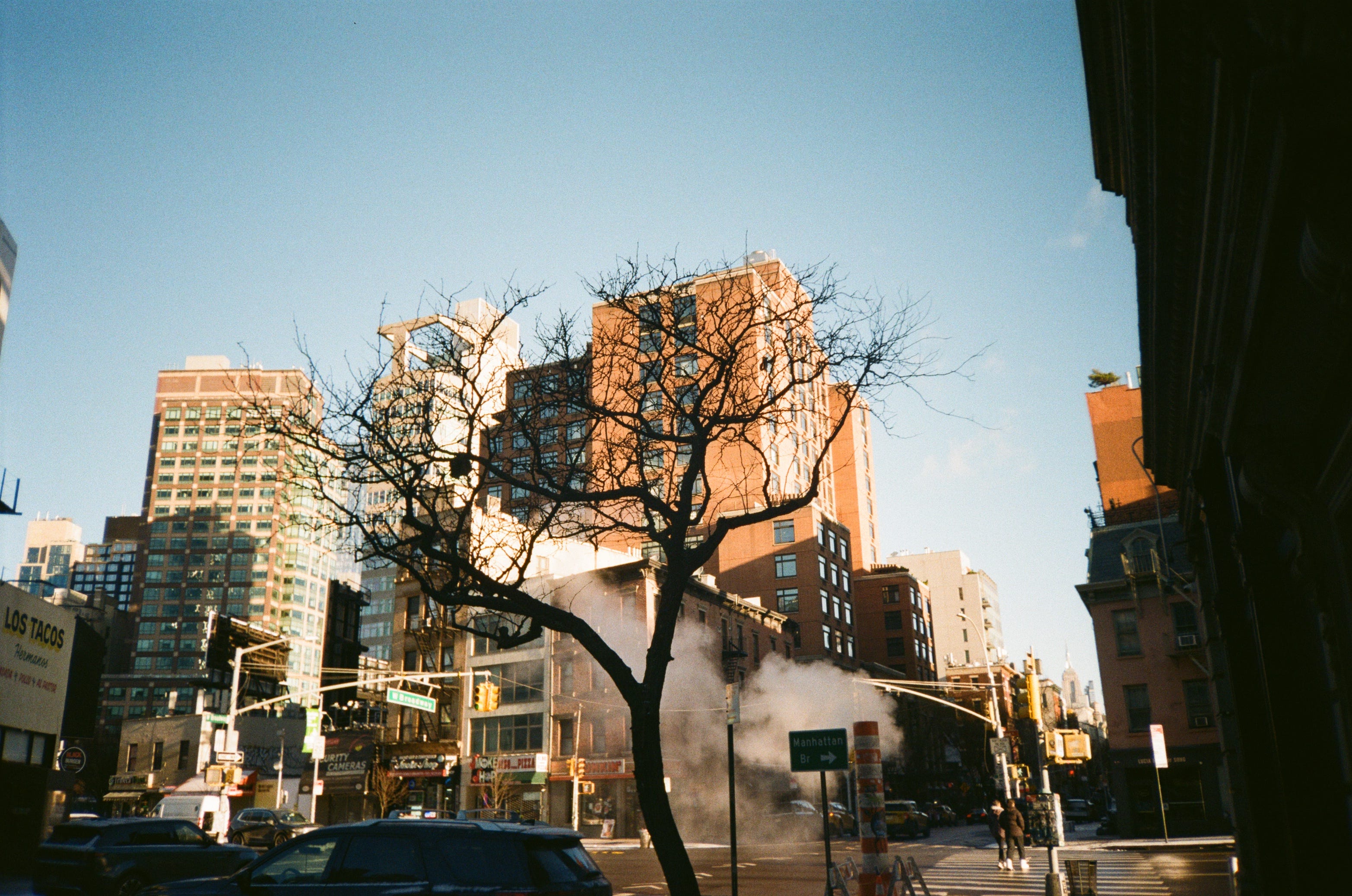
First of Jan 2026, NYC
- Flo